
Guide, Uncategorized
1 Understanding WEED and VAPE Cannabis Vape Products: A Complete UK Guide
Oct
Understanding THC and CBD Cannabis Vape Products
Interest in weed and vape topics has created more questions about cannabinoids, cannabis-related vaping devices and the differences between THC and CBD.
Although THC and CBD both occur in the cannabis plant, they have different properties and legal classifications. Products associated with these cannabinoids can also vary in formulation, intended use and regulatory requirements.
Understanding these differences is important when researching cannabis vape products. It helps readers recognise product terminology, understand potential risks and distinguish reliable information from unsupported online claims.
This guide explains THC and CBD, explores different categories of cannabis-related vaping products and highlights important UK safety and legal considerations.
For a broader introduction to cannabis-related devices and terminology, read our cannabis vaping guide.
1. What Are THC and CBD?
THC and CBD are two well-known cannabinoids found in the cannabis plant. Cannabinoids are naturally occurring compounds that interact with the body’s endocannabinoid system.
However, THC and CBD are not the same, and understanding their differences is essential when researching cannabis-related products.
What Is THC?
THC stands for tetrahydrocannabinol. It is the primary intoxicating cannabinoid commonly associated with cannabis.
THC can affect perception, concentration, memory, coordination and judgement. Its effects vary depending on individual factors and exposure.
THC-containing products are generally subject to strict controls under UK drug legislation.
What Is CBD?
CBD stands for cannabidiol. Unlike THC, CBD is not generally considered intoxicating.
CBD products are widely discussed in relation to wellness and consumer products. However, CBD is not automatically risk-free. It may interact with medicines and can cause unwanted effects.
CBD products must also comply with relevant UK requirements, including specific rules for CBD foods and supplements.
For more educational information about cannabinoids and vaping terminology, explore our cannabis vaping guide.
2. Understanding Weed and Vape Terminology
The search phrase weed and vape is commonly used when people want to understand the relationship between cannabis and electronic vaping devices. WEED AND VAPE
However, the phrase can refer to several different topics.
For example:
- Cannabis-related vaporiser technology.
- THC-associated vaping products.
- CBD products and cannabinoid formulations.
- Dry-herb vaporisers.
- Liquid-based electronic devices.
- General cannabis vaping education.
These categories should not be confused with one another. A dry-herb vaporiser is designed differently from a liquid-based device, while THC and CBD products have different properties and legal considerations. WEED AND VAPE
Product descriptions may also use broad terms without clearly identifying the actual ingredients.
Readers should therefore look for accurate information about product composition, intended use and applicable regulations. weed and vape
3. Different Types of Cannabis Vape Products
The term cannabis vape products can describe different device categories and formulations associated with cannabis-related vaping. weed and vape
Understanding these categories helps explain why products cannot all be treated as interchangeable.
Dry-Herb Vaporisers
Dry-herb vaporisers are electronic devices designed for compatible plant material. They use a heating system to produce an aerosol rather than relying on conventional combustion. weed and vape
Some devices use conduction heating, while others use convection or a combination of methods. weed and vape
Liquid-Based Vape Devices
Liquid-based vape devices are designed for compatible vaping liquids. Depending on the design, they may use tanks, cartridges or pods.
Their ingredients and construction requirements differ from those of dry-herb vaporisers. weed and vape
Cartridge-Based Devices
Some electronic devices are designed around replaceable cartridges containing a particular formulation. weed and vape
Compatibility depends on the device specifications and the cartridge design. Using unsuitable materials or liquids can create safety risks.
CBD-Associated Products
CBD-associated vaping products are marketed as containing cannabidiol. Their ingredients, intended use and regulatory requirements should be examined carefully. weed and vape
A CBD label does not automatically establish product quality, safety or legal compliance. weed and vape
4. THC vs CBD: Understanding the Main Differences
Understanding THC vs CBD is one of the most important parts of researching cannabis-related products. weed and vape
Although both are cannabinoids, their effects and legal treatment differ.
| Feature | THC | CBD |
|---|---|---|
| Full name | Tetrahydrocannabinol | Cannabidiol |
| Intoxicating properties | Yes | Not generally considered intoxicating |
| Possible effects | Can affect perception, memory and coordination | May interact with medicines and cause unwanted effects |
| UK legal treatment | Generally controlled, subject to specific exceptions | Not controlled in the same way |
| Product requirements | Strict drug controls apply | Applicable product and safety regulations apply |
THC can cause intoxication and impair decision-making. CBD does not produce the same intoxicating effect, but it should not automatically be considered harmless.
The exact formulation and ingredients of a product are important when assessing its legal status and safety.
5. What Should You Know About CBD Vape Products?
CBD vape products are commonly discussed in connection with cannabidiol.
However, consumers should understand that the presence of CBD does not automatically make a product safe or lawful.
Important product considerations include:
Ingredient transparency: Look for clear ingredient information rather than vague marketing descriptions.
Cannabinoid declarations: Check whether the product provides understandable information about its declared cannabinoid content. weed and vape
Manufacturer information: Reliable manufacturer details can help establish where product information originates.
Laboratory testing: Independent testing may help verify certain ingredients and identify some contaminants.
Regulatory compliance: Different product categories may be subject to different UK requirements.
CBD foods and supplements generally fall under the UK’s novel food framework. Other CBD product categories may have separate requirements.
6. Cannabis Vape Safety and Product Quality
Cannabinoid vape safety is an important consideration when researching THC and CBD products.
Vaping can expose users to aerosols containing substances that may affect respiratory health. Risks can vary depending on the ingredients, device and manufacturing standards.
Important concerns include:
- Unknown ingredients: Incomplete ingredient information makes it difficult to assess what a product contains.
- Contamination: Poor manufacturing standards can introduce unwanted substances.
- Inaccurate labelling: Declared cannabinoid quantities may not always reflect actual product contents.
- Respiratory exposure: Inhaling aerosols may expose the lungs to potentially harmful substances.
- Battery problems: Damaged batteries and unsuitable chargers can create fire or injury risks.
- THC intoxication: THC can affect judgement, memory and coordination.
Independent laboratory testing can provide useful information about product composition, but it does not prove that a product is completely safe to inhale.
Anyone experiencing breathing difficulties or other concerning symptoms after vaping should stop using the product and seek appropriate medical advice.
7. Understanding Cannabis Vape Product Labels
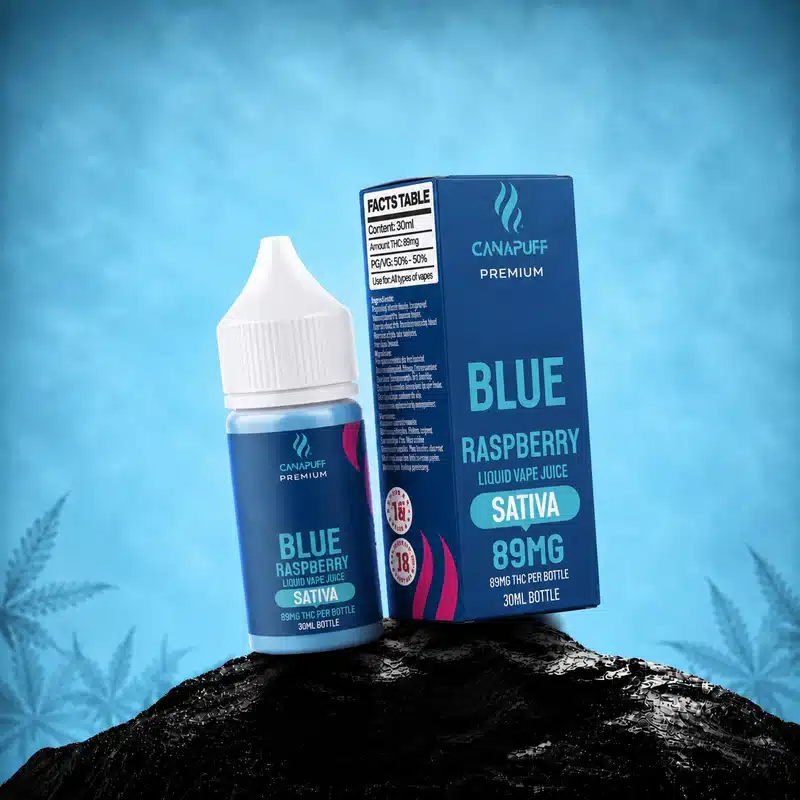
Product labels are an important source of information when researching cannabis-associated products.
Table of Contents
However, a label alone cannot prove that a product is safe, accurately formulated or legally compliant.
When reviewing product information, consider:
Ingredient Lists
Look for a clear list of ingredients and avoid relying on vague descriptions.
Cannabinoid Information
Check whether the product identifies the cannabinoids it contains and provides clear information about declared quantities.
Batch Identification
Batch numbers can help connect a product with relevant manufacturing and testing records.
Laboratory Reports
Credible independent laboratory reports may provide information about cannabinoid content and certain contaminants. Ideally, reports should identify the exact batch tested.
Manufacturer Details
Clear manufacturer or responsible-business information makes it easier to investigate product claims.
8. Cannabis Vape Regulations UK: What Is the Legal Position?
Understanding cannabis vape regulations UK is essential because THC and CBD are treated differently under UK legislation.
THC is generally controlled under the Misuse of Drugs Act 1971. Cannabis and many THC-containing products are subject to restrictions on possession, supply and production unless a specific lawful exception applies.
Certain specialist medical circumstances may be permitted under specific requirements, but these do not create general permission to sell or possess THC vape products.
CBD is treated differently from THC, but CBD products must still comply with applicable laws and product requirements.
Relevant considerations include:
- Controlled-substance legislation.
- CBD novel food requirements.
- Product safety and consumer protection rules.
- Advertising and product-claims requirements.
- Electronic cigarette requirements where applicable.
The legal position depends on the exact substance, formulation and intended use. An online product listing does not establish that a product is lawful.
9. How to Find Reliable Cannabis Vaping Information
Searching for cannabis vaping information can lead to educational resources, commercial listings and unverified claims.
Reliable information should explain the differences between cannabinoids, identify potential risks and provide accurate legal context.
When researching cannabis-related topics:
- Check whether information comes from a credible source.
- Understand the differences between THC and CBD.
- Review product ingredients and labelling carefully.
- Be cautious of unsupported health claims.
- Understand the intended category of any vaping device.
- Check current official UK legal guidance.
For more information about vaporiser types, cannabinoids and product considerations, visit our cannabis vaping guide.
Frequently Asked Questions
1. What is the difference between THC and CBD?
THC is a psychoactive cannabinoid that can cause intoxication. CBD is not generally considered intoxicating, although it may interact with medicines and cause unwanted effects.
2. What does weed and vape mean?
The phrase generally refers to discussions about cannabis and electronic vaporising devices. It can cover different device types, cannabinoids and product categories.
3. Are THC and CBD vape products the same?
No. THC and CBD are different cannabinoids with different properties and legal treatment. Products containing them may also have different regulatory requirements.
4. What are the different types of cannabis vape products?
Commonly discussed categories include dry-herb vaporisers, liquid-based electronic devices and cartridge-based systems. Their construction and compatibility requirements differ.
5. Are CBD vape products legal in the UK?
The legal position depends on the exact product and its formulation. CBD products must meet applicable UK requirements, and CBD foods generally fall under the novel food framework.
6. Is cannabis vaping completely safe?
No. Vaping can expose users to potentially harmful substances. Product ingredients, manufacturing quality and device condition can all affect risk.
7. Where can I find more information about cannabis vaping?
Visit our cannabis vaping guide for educational information about cannabinoids, vaporiser types, safety and UK regulations.
Conclusion
Understanding THC and CBD cannabis vape products requires looking beyond product names and promotional descriptions.
THC and CBD have different properties, while cannabis-associated vaping devices can vary in design, ingredients and intended use. Product quality, respiratory risks and UK legal requirements are also important considerations.
Reliable information, transparent labelling and appropriate testing can help readers understand what is being discussed, although no label or test can guarantee that a product is safe to inhale.
For more educational information about cannabis-related devices, cannabinoids and safety, explore our cannabis vaping guide.
#WeedAndVape #THCandCBD #CannabisVapeProducts #CBDVapeProducts #THCVape #CannabisVaping #CannabisVapingGuide #Cannabinoids #CannabinoidSafety #VapeProductQuality #CannabisEducation #VapeSafety #UKCannabisRegulations #CannabisInformation #WeedVapeUK
